
Finding Warmth Inside the Spirit of Togetherness
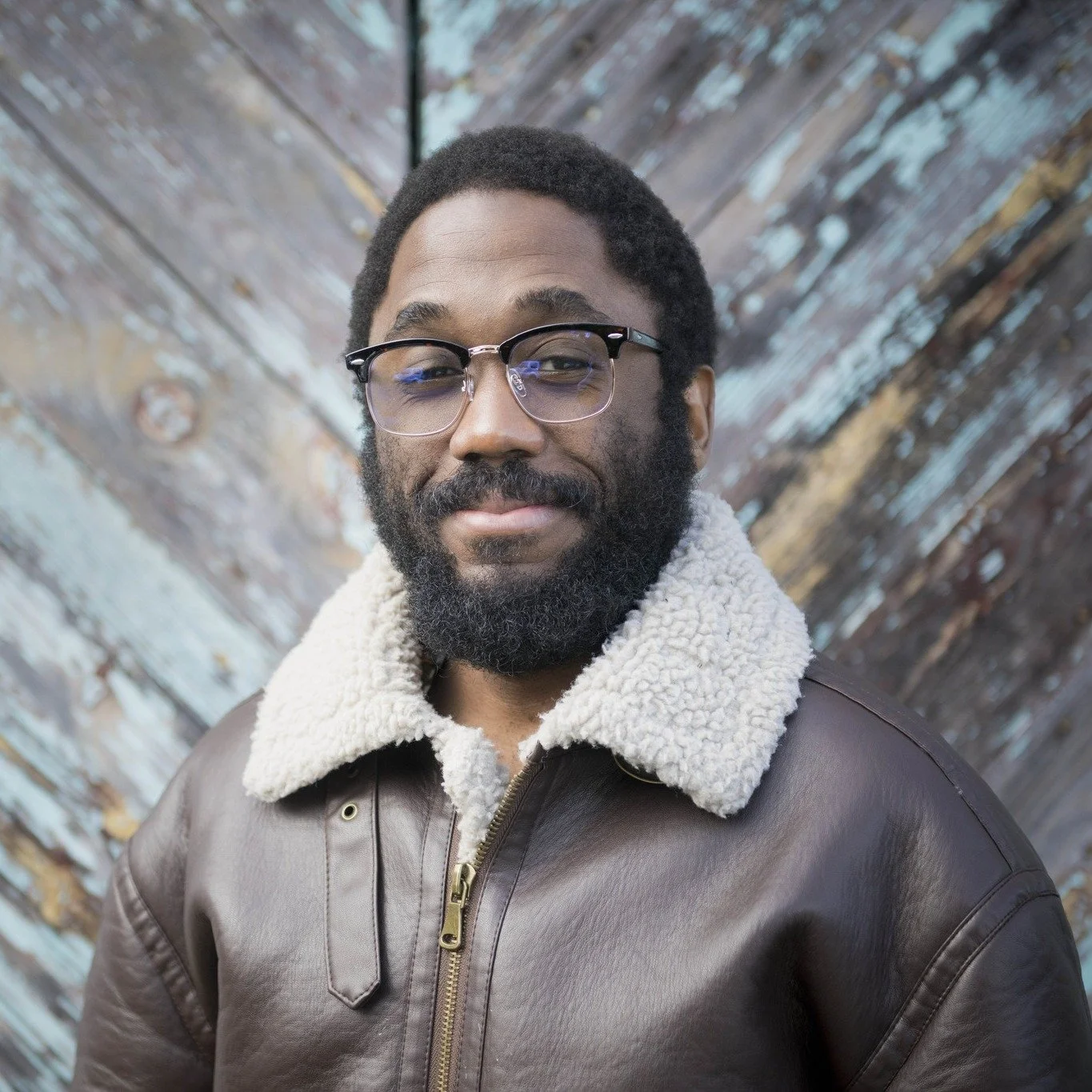
We always welcome the Caselberg Trust Margaret Egan Cities of Literature Writers Resident into our festival whānau. This year we were honoured to have Sihle Ntuli with us all the way from Durban, South Africa. Sihle let us know from the outset how chilly he was finding Ōtepoti, which made us even more determined to stoke up the fire to warm his bones!
I give all glory to God for blessing me with this extraordinary experience.
The magic of my festival journey began at the Broad Bay bus stop on Portobello Road. It was arranged that I be picked up for the evening’s pōwhiri at Ōtākou Marae, which formed part of the opening festivities of the Dunedin Writers & Readers Festival. That night, I still remember the warmth and generosity of festival co-chair Jeanette Wikara, who ushered me out of the cold and into a car alongside the legendary Tame Iti and Apirana Taylor — a moment that let me know I was in for something truly special.
As a South African, this was my first time experiencing a pōwhiri. I had come to Dunedin especially intrigued by Māori culture, hoping to learn how cultural preservation is practiced here — and to gain insight into what might be possible for my own isiZulu heritage.
From the opening traditional introductions to the beautiful centring of te ao Māori, I was deeply moved to witness how, in Ōtepoti, culture is given space to affirm its unique identity within literary contexts. Too often, I’ve encountered formats imported from elsewhere, so it was a breath of fresh air to experience something rooted in Aotearoa.
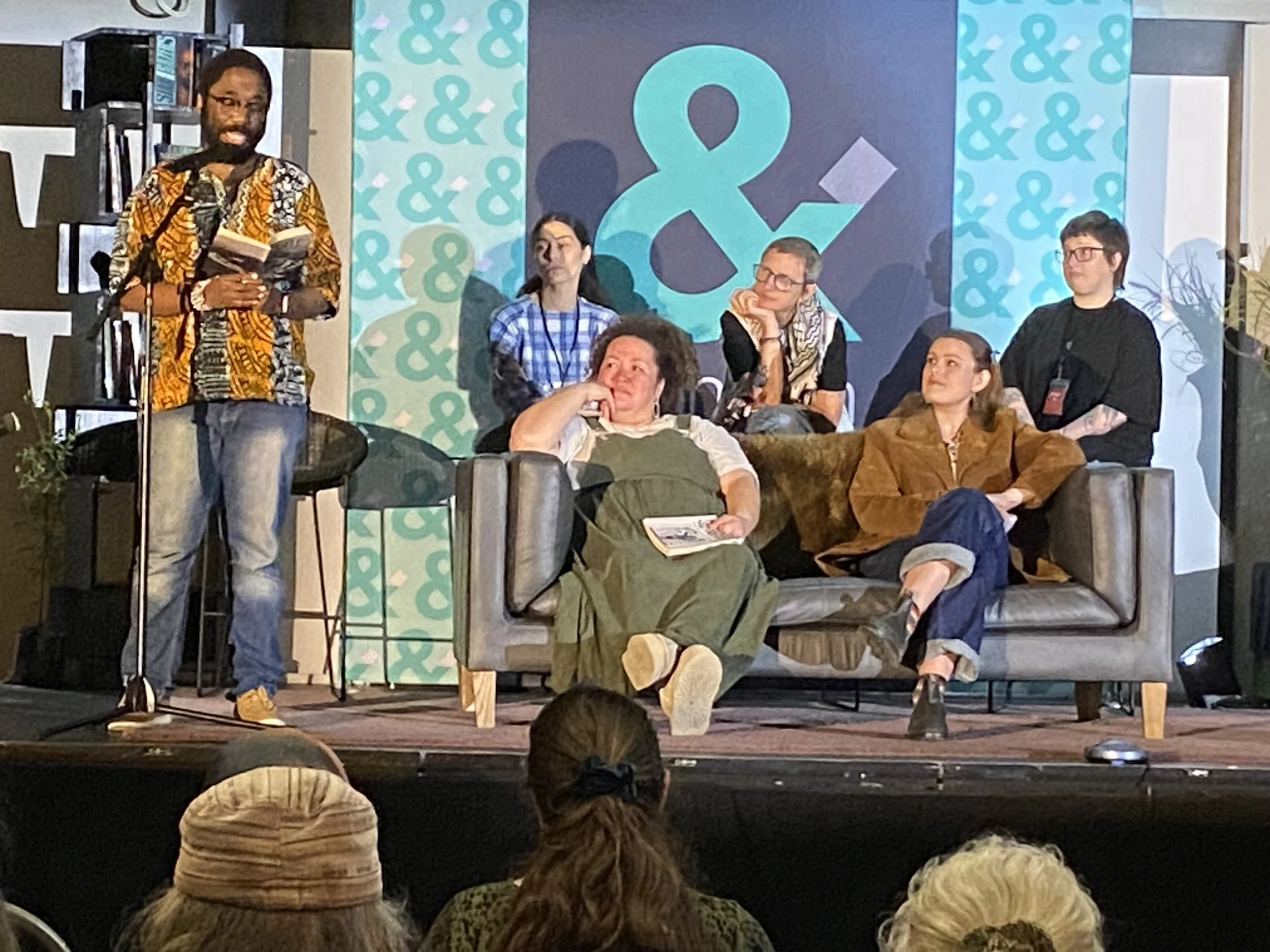
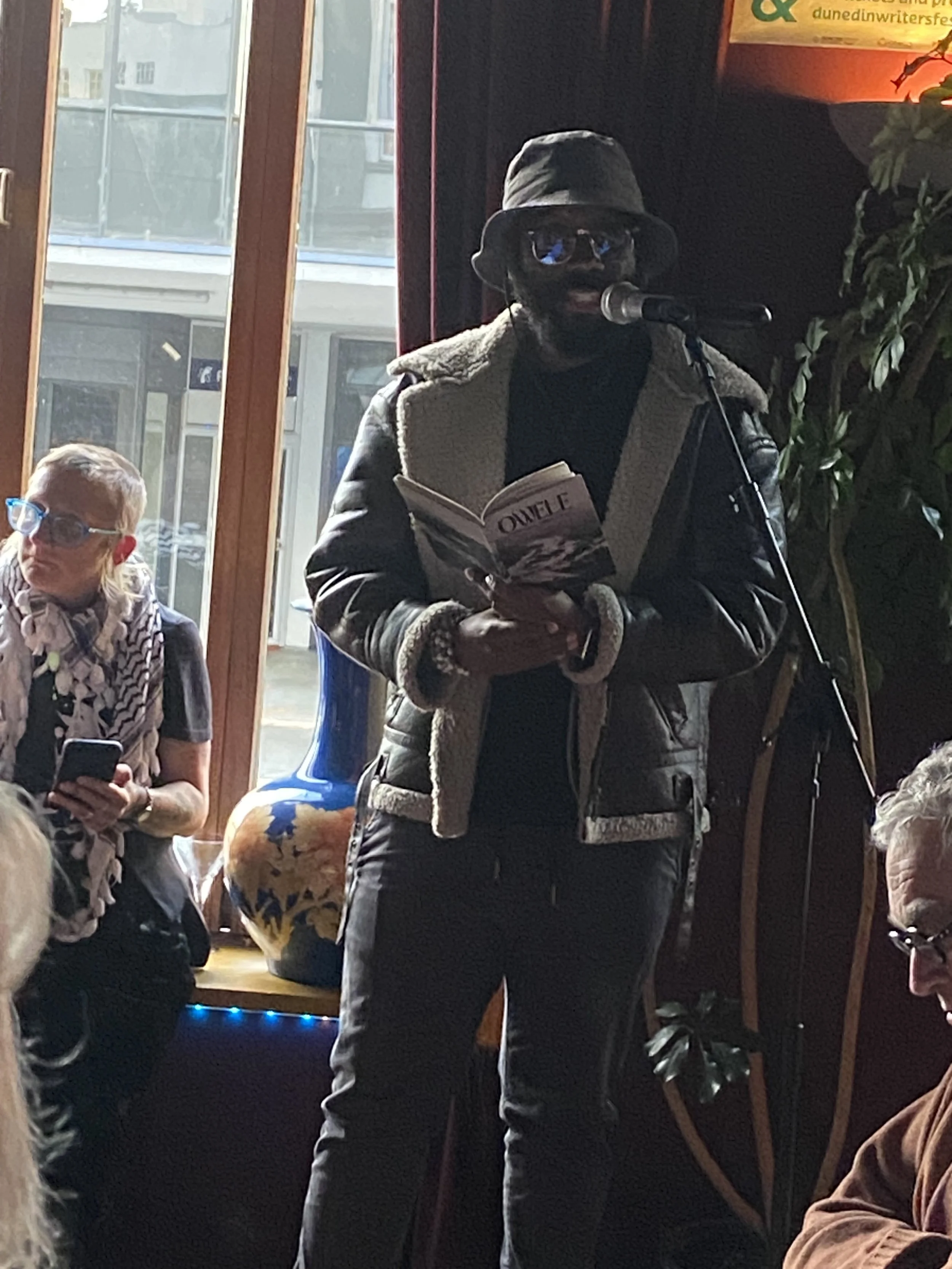
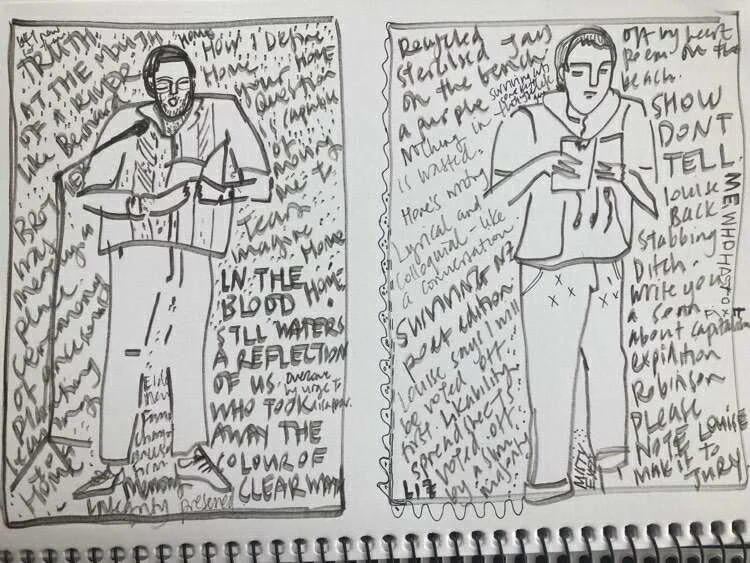
My festival sessions were part of a series curated by the Hone Tuwhare Trust, titled Go Tell Your Racist Jokes to Someone Else, held at WOOF, alongside Bingo, Everyone Smiles. I had been anxious about reading poems in isiZulu, but my river poem Ncome — which seeks to reclaim the name erased by white colonialists and replaced with “Blood River” — was received with attentive silence and care. My final poem at WOOF, Azanian Abecedarian (with Eyes), which speaks to the plight of Palestinians, was met with a powerful chant of “FREE PALESTINE!” — a moment that moved me deeply.
The Bingo event the following day was unlike anything I’d experienced before — a poetry reading woven into a Bingo format. It was wonderful to see the festival team embrace such innovation. This was my first in-person festival since the pandemic, having previously attended only virtual events, so it held special meaning for me. The Dunedin Writers and Readers Festival will forever remain a precious moment, one where I was finally granted a fair chance; one that I had been working so hard to earn.
I’ve been welcomed into the confidence of the festival organisers like a local resident of Ōtepoti, and it is my great joy and honour to be recognised as part of this warm, generous community.
Ngiyabonga kakhulu to the festival organisers, the Hone Tuwhare Trust, the Dunedin City of Literature team, and the Dunedin City Council. Most importantly, I want to thank the readers of Dunedin, who have taken their rightful place in the naming and spirit of this festival.
Gcwala!
Sihle Ntul